Over the last few years, some of our teachers have been experimenting with flexible learning spaces (see my previous ‘Space Walk’ blog). We are now at the stage where, after substantial research, we are actively encouraging our staff to ‘opt in’ to redesigning their classrooms and creating more flexible, open learning areas.
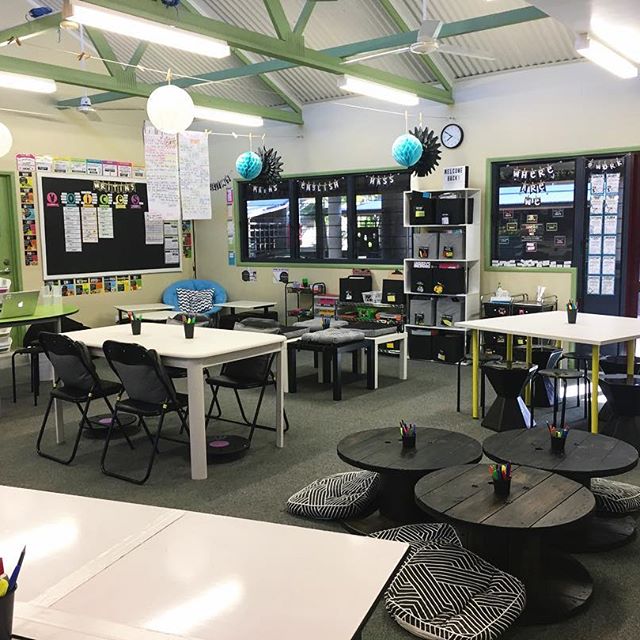
Our Riverside Reform over the last 5 years has meant our classroom practices have changed. Our pedagogy is centred around a gradual release of responsibility, needs-based grouping, small group rotations, masterclasses, touchpoint meetings, hands-on learning, performance-based activities and collaborative projects.
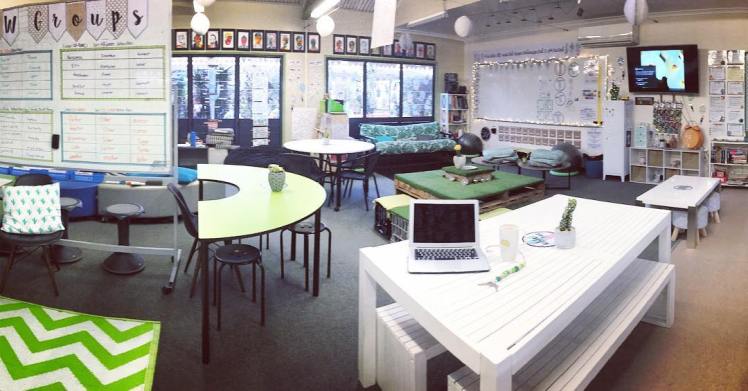
The use of cooperative learning structures to ensure active engagement, and improve communication and collaboration, requires space to move and defined areas for group work. As part of our Riverside pedagogy, flexible learning spaces will enable these teaching strategies to be spontaneously and more readily used within the classroom.
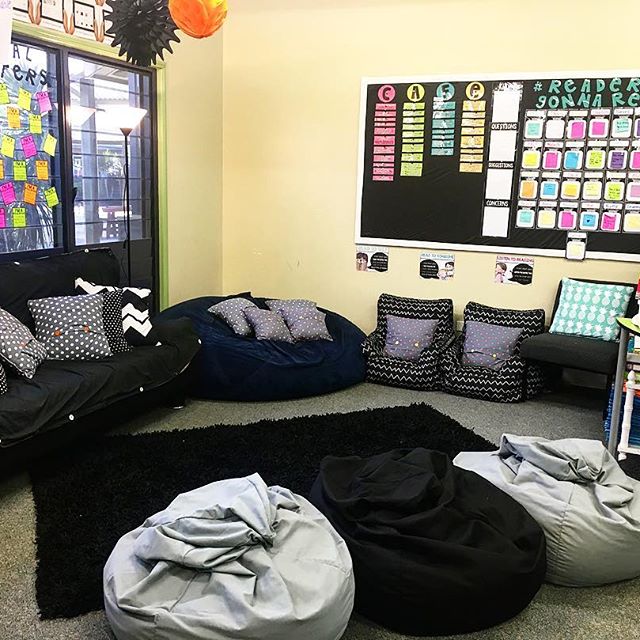
A change in our learning spaces is not necessarily going to mean a change in our teaching pedagogy. In fact, our Reform has shaped our methods of instruction to connect better with a flexible learning environment, rather than a traditional classroom plan, and seems like a natural progression. We are merely linking our learning spaces to our pedagogy.
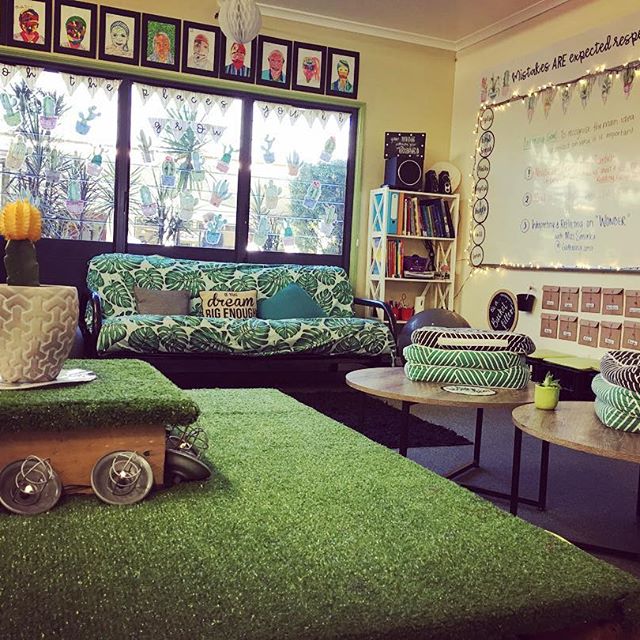
However, research has shown that the success of flexible learning spaces is largely dependant on teachers’ skills to effectively work in the space with the students. Teachers need to be willing to embrace any changes that they may need to make in their pedagogical approaches. That is why the college is encouraging staff to ‘opt in’ or make gradual changes to their classroom layout.
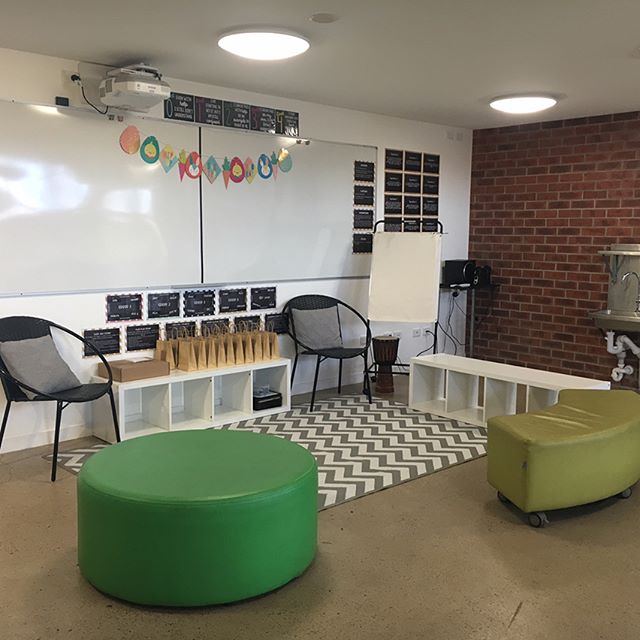
As I see it, there are three ways our staff can engage with flexible learning spaces. A flexible learning space can be created in a singular classroom, connected classrooms or in an open-plan area.
Singular classrooms – Teachers generally work in isolation with only their class but need to be willing to work in the space with the students. The frequency and nature of interactions with students means high levels of inter and intra-personal skills are essential. Movement and student groupings are flexible. The teacher is an active ‘guide on the side’ and engages in facilitating collaborative group work.
Connected classrooms – Teachers need to be willing to work alongside each other and need to understand their peers as resources to be used in service of student learning. Depending on their relationship with their teaching partner(s), they can teach independent lessons concurrently with their own class, their partner’s class or a mixture of students from different classes.
Open-plan classrooms – Teachers need to be willing to embrace a team-teaching approach where the lesson and students (from two or more classes) are shared. Concurrent lessons (or seminars) can be taught simultaneously in the same open space, or one teacher can take the lead and be supported by the other member(s) of the teaching team, or teachers can tag-team within the one lesson. This pedagogy involves shared planning, synchronous teaching, shared reporting and accountability.
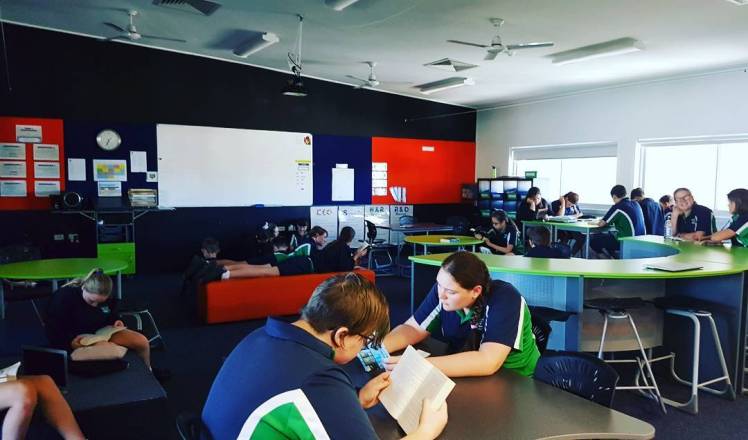
Our Reform has encouraged us to be transparent, open up our classrooms so we can learn from each other, and increase social capital. By teaching in flexible learning spaces, these things can be achieved more easily. The collective knowledge and skills that can be gained by teachers, through this pedagogy, can only improve our teaching and benefit the learning outcomes for our students.
 Tween Teacher
“Teachers need to be willing to embrace any changes that they may need to make in their pedagogical approaches”
This really is the key, being willing to give up control and let students take responsibility for their choices. Great post!
LikeLike